Potato Flakes in Germany: Unlocking New Opportunities in Food Manufacturing
Discover how potato flakes in Germany are driving innovation in food manufacturing. Explore applications, market trends, benefits, and opportunities across the food processing industry.
6/3/20264 min read
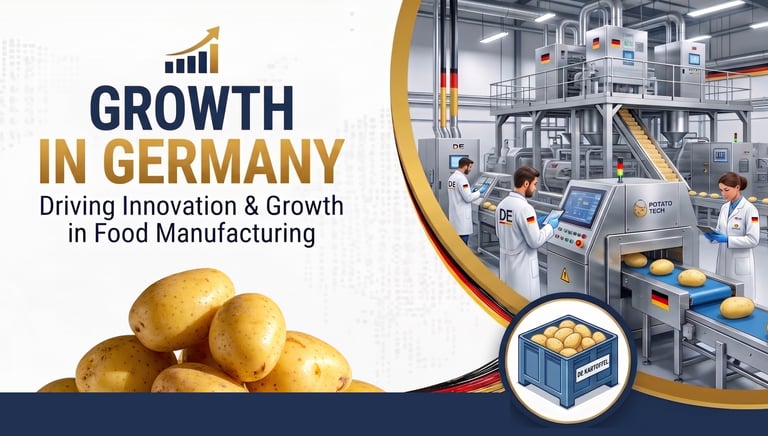
Germany is one of Europe's largest food manufacturing hubs, renowned for its advanced production technologies, high-quality food standards, and thriving processed food sector. As consumer preferences continue to evolve toward convenience, consistency, and sustainability, food manufacturers are increasingly seeking innovative ingredients that enhance production efficiency without compromising quality. Among these ingredients, potato flakes in Germany have emerged as a versatile and cost-effective solution for a wide range of food applications.
From bakery products and snack foods to ready-to-eat meals and instant mashed potatoes, potato flakes are playing an increasingly important role in Germany's food processing industry. Their ability to deliver consistent quality, long shelf life, and operational efficiency makes them an indispensable ingredient for modern food manufacturers.
Understanding Potato Flakes
Potato flakes are dehydrated potato products made by cooking, mashing, and drying fresh potatoes into thin flakes. This process helps preserve the natural taste, texture, and nutritional characteristics of potatoes while significantly extending their shelf life.
The growing popularity of potato flakes is largely driven by their convenience and versatility. They can be quickly rehydrated and incorporated into various food products, making them an ideal ingredient for large-scale food production.
As Germany's food industry continues to innovate, potato flakes have become a preferred choice for manufacturers seeking reliable and high-performance potato ingredients.
Why Potato Flakes Are Gaining Popularity in Germany
Growing Demand for Convenience Foods
German consumers increasingly prefer convenient meal options that offer both quality and ease of preparation. Busy lifestyles and changing consumption habits have accelerated the demand for ready-to-cook and ready-to-eat food products.
Potato flakes are widely used in:
Instant mashed potatoes
Frozen food products
Prepared meals
Soup mixes
Sauces and gravies
Convenience food formulations
Their ease of use and ability to maintain product consistency make them highly valuable for food manufacturers catering to modern consumer demands.
Strong Food Manufacturing Infrastructure
Germany possesses one of the most advanced food processing industries in Europe. Manufacturers require ingredients that can support large-scale production while maintaining strict quality standards.
Potato flakes offer several advantages, including:
Uniform product quality
Reduced preparation and processing time
Improved production efficiency
Lower storage and transportation costs
Extended product shelf life
These benefits enable food manufacturers to optimize operations and improve overall profitability.
Rising Focus on Sustainable Production
Sustainability has become a key priority across Germany's food industry. Potato flakes contribute to more efficient food production by reducing waste, improving storage efficiency, and minimizing spoilage compared to fresh potatoes.
Their lightweight nature also reduces transportation requirements, helping manufacturers lower their environmental impact while maintaining supply chain efficiency.
Applications of Potato Flakes in Germany
Food Processing Industry
The food processing industry remains one of the largest consumers of potato flakes in Germany. Manufacturers utilize potato flakes in various products that require consistent texture, flavor, and functionality.
Common applications include:
Instant potato products
Frozen meals
Processed food products
Ready-to-eat meals
Meal kits and convenience foods
Snack Food Manufacturing
Germany's growing snack sector relies heavily on innovative ingredients to create products that meet consumer expectations.
Potato flakes are frequently used in:
Extruded snack products
Potato crisps
Snack pellets
Flavored snacks
Specialty potato-based snacks
Their excellent binding and texture-enhancing properties make them ideal for snack production.
Bakery Industry
Potato flakes have become increasingly popular among German bakeries due to their ability to improve product quality and shelf life.
Benefits in bakery applications include:
Enhanced moisture retention
Improved dough performance
Softer texture
Better product freshness
Extended shelf life
As consumer demand for premium bakery products continues to rise, potato flakes are becoming an essential ingredient in modern baking processes.
Food Service and Hospitality
Restaurants, hotels, catering services, and institutional kitchens across Germany use instant potato flakes to simplify food preparation while maintaining consistent quality.
Key advantages include:
Faster preparation times
Reduced labor requirements
Consistent taste and texture
Lower food wastage
Improved inventory management
These benefits are particularly valuable in high-volume food service environments.
Benefits of Potato Flakes for German Manufacturers
Cost Efficiency
Potato flakes help reduce operational costs through improved storage efficiency, lower transportation expenses, and reduced product waste.
Long Shelf Life
Unlike fresh potatoes, potato flakes can be stored for extended periods without compromising quality, making them a practical ingredient for manufacturers.
Consistent Product Quality
Consistency is essential in food manufacturing. Potato flakes provide reliable performance across production batches, ensuring uniform product quality.
Versatility Across Industries
From bakery products and snacks to ready meals and food service applications, potato flakes offer exceptional versatility, allowing manufacturers to diversify their product offerings.
Supply Chain Advantages
Potato flakes require less storage space and are easier to transport than fresh potatoes, helping manufacturers improve logistics and inventory management.
Market Trends and Future Outlook
The future of the potato flakes market in Germany appears highly promising. Several industry trends are expected to drive continued growth, including:
Rising demand for convenience foods
Expansion of the food processing sector
Increasing consumption of snack products
Growth in bakery innovation
Greater focus on sustainable food production
Increased adoption of dehydrated ingredients
As Germany continues to strengthen its position as a leading European food manufacturing center, the demand for high-quality potato flakes is expected to grow steadily across multiple industries.
Manufacturers that prioritize efficiency, product consistency, and innovation are likely to increase their use of potato flakes as a reliable ingredient solution.
Conclusion
Potato flakes in Germany have become a vital ingredient for modern food manufacturing, supporting innovation, efficiency, and product quality across a wide range of applications. Their versatility, long shelf life, and cost-effectiveness make them an attractive choice for food processors, bakeries, snack manufacturers, and food service operators.
As consumer demand for convenience foods continues to grow and manufacturers seek more sustainable and efficient production methods, the market for potato flakes in Germany is poised for significant expansion. For businesses looking to enhance their product offerings and streamline operations, potato flakes represent a practical and future-ready ingredient that aligns with the evolving needs of Germany's food industry.
Contact Us
GROVER FOODS LTD.
37, 39 Vill. Naugawan, Faridpur, Bareilly - 243503
+91 89389 00111
Eshangrover@groverfood.com
Delivering Premium Potato Flakes to Global Food Brands & Businesses Since 1996.
© 2023 GroverFood — All Rights Reserved
Made with Pride in India

